
Construction is one of the most dynamic yet hazardous industries. Project timelines are aggressive, the work environment changes daily, and crews often juggle multiple high-risk activities simultaneously.
According to the Bureau of Labor Statistics, over 20% of annual workplace injuries occur on construction sites — reinforcing the urgent need for proactive safety measures.
A strong safety culture doesn’t happen by chance. It starts with clear, consistent, and structured communication. Structured Jobsite Safety Meetings — commonly known as toolbox talks — give crews the knowledge and awareness they need to identify hazards before they lead to incidents.
When conducted effectively, these meetings reduce injuries, strengthen compliance, and create a jobsite where every worker feels responsible for their own safety and that of their teammates.
What Are Structured Jobsite Safety Meetings?
Unlike informal safety reminders that may vary by supervisor or shift, Structured Jobsite Safety Meetings follow a planned format. These sessions typically take place at the start of the day or before high-risk work begins.
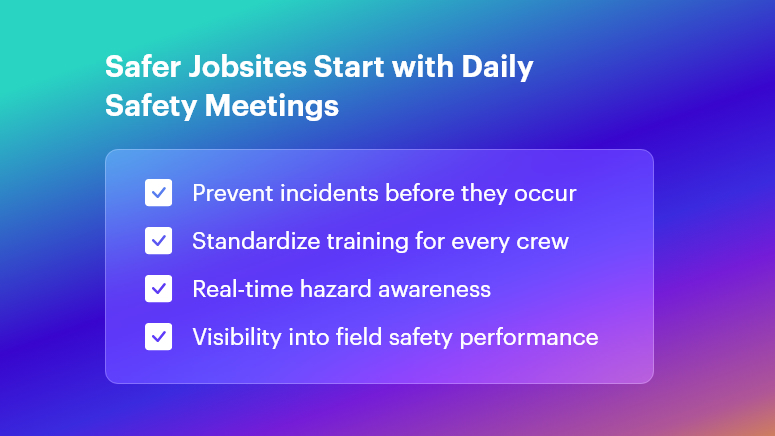
A structured approach ensures:
- Every worker hears the same information
- Key hazards are reviewed regularly
- Tasks and roles are clearly defined
- Safety improvements become continuous
These aren’t long lectures — they are focused, practical discussions aligned with job activities happening that day.
Key characteristics include:
- A consistent agenda — schedule, topic, responsibilities
- Direct relevance to current site conditions
- Short duration to maintain engagement
- Documentation for accountability and compliance
In construction projects when teams expect these meetings and see real benefits on the field, safety becomes a shared value — not a checklist.
Regulatory Context: OSHA and ISO Standards
OSHA Requirements for Toolbox Talks
OSHA (29 CFR 1926.21) requires employers to provide safety training that equips workers to perform tasks safely. Although OSHA does not strictly mandate daily toolbox talks, frequent and documented safety instruction is strongly encouraged — especially on sites with evolving hazards.
Essential records include:
- Meeting topic and focus area
- Date, time, and duration
- Trainer/facilitator name
- Attendee list with signatures
These documents help demonstrate due diligence during audits or legal reviews.
ISO Guidance for Safety Culture
ISO 45001:2018 highlights worker involvement, hazard prevention, and ongoing performance reviews as the foundation of safety excellence. Structured meetings directly support these goals by ensuring:
- Open communication between workers and supervisors
- Regular review of incidents or near-misses
- Preventive actions rather than reactive fixes
This alignment strengthens both safety outcomes and organizational credibility.
Key Topics for Toolbox Talks
Topics must remain timely and relevant to the jobsite’s immediate hazards.
Daily Hazards and Controls
Construction sites change fast. New subcontractors, material shifts, excavation, weather — all bring potential risks. Daily hazard talks ensure no one walks into the unknown.
Examples:
- Fall protection and tie-off points
- Confined space entry precautions
- Overhead work alerts
- Chemical exposure and SDS awareness
Personal Protective Equipment (PPE)
Understanding proper PPE use prevents common but serious injuries. Discussions often include:
- Hard hat and eye protection requirements
- Choosing gloves based on the task (cut-resistant, chemical-resistant, etc.)
- Respirator fit testing and maintenance
Emergency Response
Emergencies rely on speed and clarity. These meetings reinforce:
- Fire response and extinguisher types
- First aid procedures and responsible personnel
- Evacuation routes and muster points
Equipment and Machinery Safety
Heavy machinery incidents are among the industry’s most severe. Toolbox talks help reduce risks by covering:
- Pre-operation inspections
- Lockout/tagout procedures
- Correct crane signaling and load limits
These sessions encourage operators and laborers alike to speak up when something looks unsafe.
Preparing for Structured Jobsite Safety Meetings
Preparation is key to value.
A good safety meeting is:
- Short but meaningful
- Interactive, not one-directional
- Supported with visual or real materials
Safety leads should review site conditions, recent incidents, and upcoming activities to choose the most relevant topic.
Essential tools include:
- Photos of current hazards
- Manufacturer instructions for new equipment
- OSHA/ISO guidance where applicable
- A printing or digital attendance system
Creating a rotation for who leads discussions can also boost crew ownership and engagement.
Delivering Effective Safety Meetings
Content alone doesn’t engage workers — delivery does.
Techniques that maximize participation:
- Share a recent near-miss to build awareness
- Use jobsite photos instead of generic examples
- Demonstrate proper PPE or equipment handling
- Ask workers to share what could go wrong
When meetings invite two-way communication, crews are more likely to take accountability and act on what they learn.
Proven results:
- On a Chicago high-rise, reinforcing crane signals eliminated miscommunication incidents for six months
- A California bridge project combined electrical hazard demos with team challenges — leading to a 40% engagement boost and 25% fewer near-misses
These successes highlight why engagement matters just as much as compliance.
Follow-Up and Continuous Improvement
Safety doesn’t end when the meeting does.
Effective programs include:
- Action tracking — every issue assigned with deadlines
- Recordkeeping — notes stored in a centralized system
- Regular reviews — detection of patterns and recurring hazards
Feedback loops — like monthly surveys or end-of-week debriefs — help ensure every meeting addresses real field concerns.
Structured meetings become a living process, not a static requirement.
Digital Toolbox Talks and Software-Enabled Workflows
While manual sign-in sheets and binders work, digital solutions elevate consistency and accountability.
Benefits of digital workflows:
- No lost paperwork
- Faster audit preparation
- Real-time communication
- Photo documentation with timestamps
- Work history accessible anytime, anywhere
OConstruction’s Safety Meeting Solution
OConstruction streamlines:
- Topic planning with pre-built templates
- Digital attendance and signatures
- On-site hazard photo capture
- Automated reporting into DPRs
This keeps safety aligned with field productivity instead of slowing it down.
Case Studies: OConstruction in Action
- A mid-size contractor saved over 120 hours per month by eliminating paper sign-off workflows — and compliance audit scores jumped from 78% to 95%
- A specialty contractor improved PPE usage by 30% within 90 days with digital reminders and incident logging
Digital adoption leads to measurable improvements in safety behavior.
FAQs
What is a Structured Jobsite Safety Meeting?
A Structured Jobsite Safety Meeting, also called a toolbox talk, is a short and scheduled discussion focused on the specific safety hazards and precautions for that day’s work. It helps ensure every crew member understands risks, responsibilities, and safe work practices.
How often should safety meetings take place on a construction site?
Most contractors conduct safety meetings daily before work begins. However, weekly sessions can also be effective depending on project complexity and risk. OSHA encourages ongoing, frequent training aligned with changing jobsite conditions.
Who is responsible for leading safety meetings?
Typically, the site safety officer or supervisor facilitates the meeting. However, rotating the responsibility among team members can improve engagement and build a stronger safety culture.
What information should be documented during safety meetings?
Documentation should include the date, topic, facilitator, attendee list with signatures, and any hazards identified or actions assigned. Proper records help demonstrate compliance during audits or investigations.
What topics should be covered during toolbox talks?
Topics should match real jobsite hazards — such as fall protection, trench safety, PPE usage, emergency response, electrical risks, or equipment operation. The most effective topics are directly related to tasks happening that day.
How long should a Structured Jobsite Safety Meeting last?
Most meetings are brief — usually 10 to 15 minutes. The goal is to keep crews alert, informed, and engaged without delaying operations.
Why are digital toolbox talks becoming popular?
Digital platforms reduce paperwork, improve accuracy, store records securely, and allow instant sharing of photos or incident notes. They provide real-time visibility for managers and make audits significantly easier.
Are digital toolbox talks compliant with OSHA?
Yes. OSHA does not require physical paperwork. As long as the documentation contains the required details — topic, date, facilitator, and signatures — digital logs fully meet compliance needs.
How do structured safety meetings help reduce incidents?
They empower workers to identify hazards early, reinforce safe behaviors daily, and encourage open communication about risks. This proactive approach helps prevent injuries instead of reacting after they occur.
How can OConstruction support safety meeting workflows?
OConstruction offers pre-built toolbox talk templates, mobile sign-offs, image-based hazard documentation, automated reporting, and centralized digital records — helping teams stay compliant and productive with less effort.